

 Back to Blogs
What Homeowners Should Check After a Major Windstorm
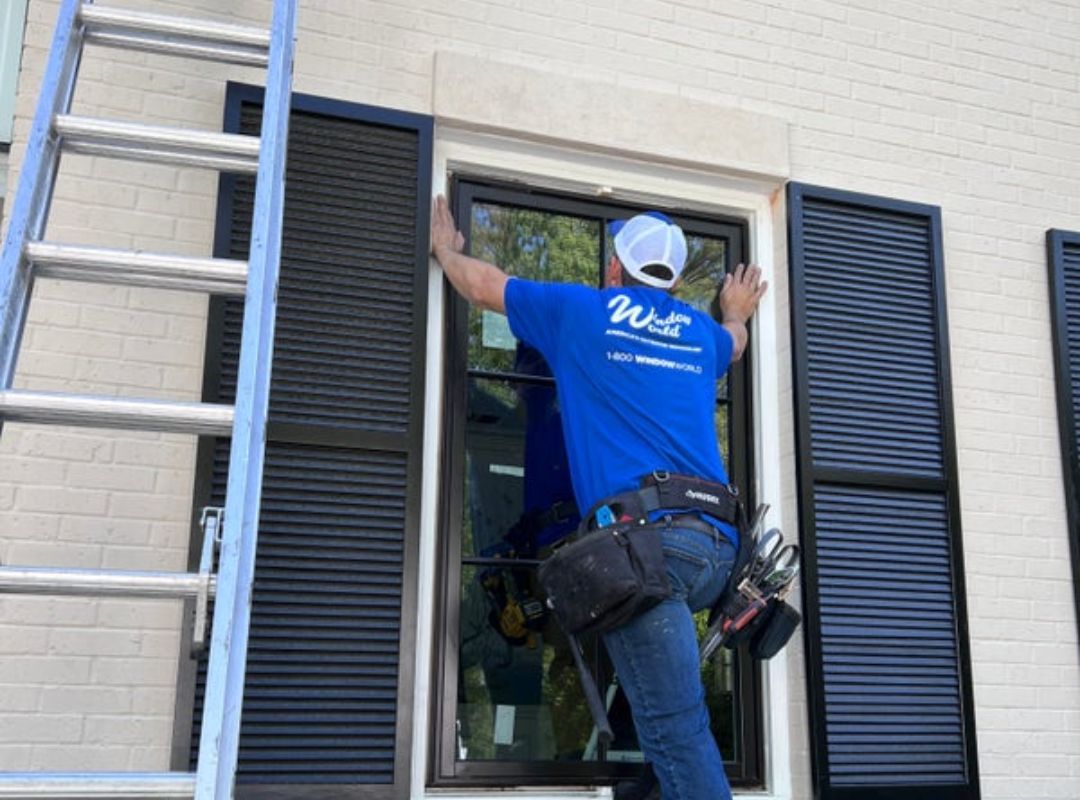
When an uninvited windstorm comes, the first question is: what homeowners should check after a major windstorm?
Strong winds can do far more than scatter debris and break tree branches. A major windstorm can put tremendous stress on your home, damaging roofs, windows, siding, gutters, and even areas inside the house. While some problems are immediately obvious, others may remain hidden until they lead to leaks, higher energy bills, mold growth, or costly structural repairs.
That’s why it’s so important to do a thorough inspection after the storm. Checking your property regularly can help you find minor problems before they turn into major headaches and help keep your home safe and secure. It can also make the insurance claims process a lot easier and allow you to document damage early and accurately.
Knowing what homeowners should check after a major windstorm gives you the opportunity to act quickly and protect your investment. This guide will help you identify the areas that deserve the closest attention after severe weather has passed.
What Is Wind Damage?
Wind damage is caused by strong, gusty winds and the debris they carry. We see it most often in coastal Texas during hurricane season, tropical storms, and the sudden severe thunderstorms that sweep across the valley. Wind tears roofs off, strips siding, drives branches and loose objects against glass, and forces rain into any crack it can find. Even if the damage seems minor, the openings it creates allow moisture in, leading to mold, rot, and higher energy bills in the long run. That is why detailed inspection is so important.
Before you get started, a quick safety note: Make sure the storm has completely passed, look for downed power lines and the smell of gas, and wear closed shoes and gloves around broken glass. If you file an insurance claim later, that record is invaluable, so take pictures and videos as you go.
What Homeowners Should Check After a Major Windstorm
Once it is safe, work your way around the home from the outside in. Here is everything you should inspect.
Check Your Roof
Your roof takes the hardest hit in a windstorm, so start here. From the ground, look for shingles that are missing, curled, cracked, or lifted at the edges. Scan for any sagging or dipping areas, which can signal structural stress underneath. Check that the flashing around vents, skylights, and chimneys is still sealed and in place. After the storm, also look in your yard and gutters for granules or shingle pieces that have washed off. Avoid climbing onto a wet or damaged roof yourself, since that is one of the most dangerous parts of any post-storm inspection.
Check Your Siding
Walk all the way around your house and view the siding panel by panel. Wind can lift siding just enough to let water slip behind it without leaving an obvious hole, so check closely for cracked, loose, buckled, warped, or missing panels. Gently press any suspicious-looking areas to see if they move. Be particularly careful with corners and seams where wind pressure is focused. If your panels are looking brittle, faded, or pulling away from the wall, it might be time to look into more durable vinyl siding that can better handle Valley storms.
Check Your Windows
Windows are where wind damage most often turns into water damage, so give every one a close, deliberate look.
- Glass. Inspect each pane for cracks, chips, or a spiderweb pattern, even tiny ones. A small crack weakens the whole pane and can fail completely in the next gust.
- Frames and seals. Look for separated corners, warping, or new gaps where the frame meets the wall. Run your hand around the edges to feel for fresh drafts. Damaged seals are a leading cause of leaks and lost energy efficiency.
- Operation. Open and close each window. If one sticks, no longer latches, or feels loose in its frame, the storm may have shifted it.
- Screens and shutters. Check that screens are intact and that any shutters are still secure and undamaged.
If your windows took a beating, know that impact windows are built to resist flying debris and high winds, which is a meaningful upgrade for homes in our region.
Check Your Doors
Entry doors, storm doors, and patio doors all deserve a careful look. For entry doors, check that the door still seals tightly, latches properly, and shows no warping or cracking around the frame. Feel for drafts along the edges and look for daylight at the threshold.
Patio doors are especially exposed because of their large glass surfaces. Inspect the glass for stress cracks, clear the tracks of any debris, and watch for water pooling at the base.
Check Your Gutters and Exterior Fixtures
Confirm your gutters and downspouts are still firmly attached, clear of debris, and draining away from the foundation. Clogged or detached gutters send water exactly where you do not want it, which can undermine your foundation over time. While you are at it, check fences, sheds, exterior lights, and anything mounted on the walls for loose or damaged items.
Check the Interior and Attic
Many signs of wind and water intrusion show up inside well before they become visible outside, so finish your inspection indoors.
- Ceilings and walls. Look for new water stains, discoloration, bubbling paint, or soft spots, which often point to a roof or window leak.
- Around windows and doors. Check the sills, corners, and the wall just below each opening for dampness or staining.
- Smells. A musty or damp odor can reveal moisture you cannot yet see.
Catching these early can be the difference between a quick fix and a major restoration.
After You Inspect: Document and Call Your Insurer
Keep a running list of everything you find, paired with your photos and videos, and note the date and storm. Call your homeowner's insurance company as soon as possible. Many policies have deadlines to file wind damage claims. Board up broken windows or make other temporary repairs to prevent further damage, but keep the receipts and wait on permanent repairs until after your insurer has reviewed the damage.
How the Professionals Can Help
Some damage is obvious, but much is subtle, structural, or just hard to reach safely. That’s where a professional inspection can really pay off. A trained team can spot compromised windows, doors, and siding that the untrained eye might miss and tell you whether a repair or a full replacement is the smarter long-term choice.
At Window World Rio Grande Valley, we help homeowners across McAllen, Brownsville, Harlingen, and the surrounding Valley assess storm damage to their windows, doors, and siding, then rebuild stronger than before. Our energy-efficient and impact-rated products are designed for the conditions our region throws at them, and every installation is backed by comprehensive warranties. If your home took a hit this storm season, request a free quote, and we will help you get your home secure and storm-ready again.
Frequently Asked Questions
-
Cracked or chipped glass, gaps or separation in the frame, new drafts, windows that stick or will not latch, and water staining on the sill or wall below.
-
Inspect it from the ground using binoculars if you have them, and look in your yard and gutters for shingle pieces. Avoid climbing onto a wet or damaged roof, and call a professional for a closer look.
-
It depends on the amount of damage. While you can sometimes fix little problems, cracked glass, warped frames, or failed seals usually mean that replacement is the safer, more economical choice. Only a professional assessment will tell you for sure.