

 Back to Blogs
How Salt Air Affects Older Home Windows in Coastal South Texas
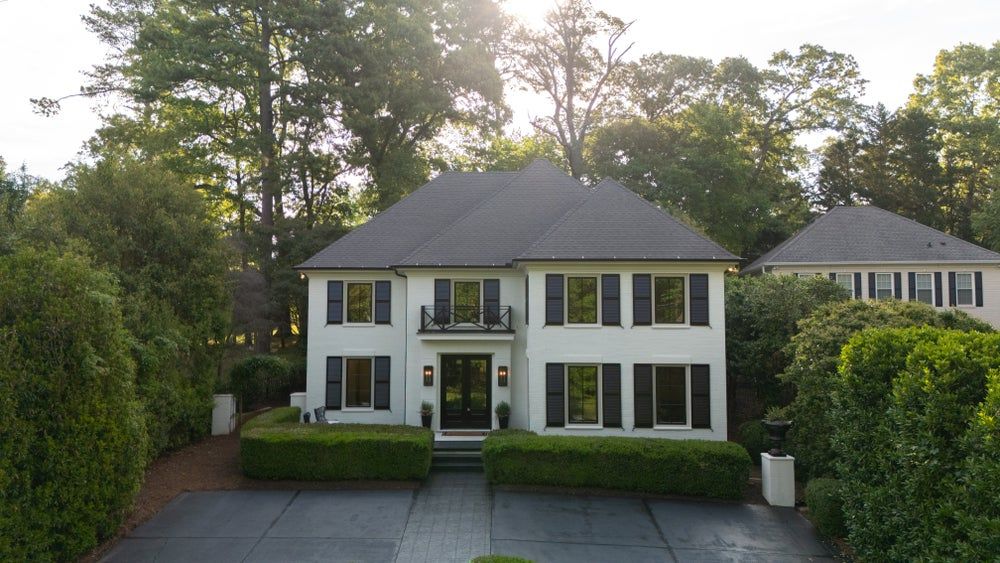
If you live anywhere near the Gulf in places like Brownsville, Harlingen, or out toward South Padre, you already know the ocean breeze is part of daily life.
What most homeowners do not realize is that the same salty air that feels so pleasant on the porch is quietly working against the windows on their house, especially if those windows are more than fifteen or twenty years old.
This guide explains exactly how salt air affects older home windows in coastal South Texas, why aging frames and seals are so vulnerable to it, how to spot early warning signs before they become expensive problems, and what your options are when repair is no longer enough. Whether you are simply curious about a draft you have noticed or already considering a full replacement, the goal here is to give you a clear, honest picture so you can make a confident decision about your home.
Why is Salt Air Hard on Your Homes?
Salt air is not just humid air with a coastal smell. It carries microscopic salt particles, mostly sodium chloride, that drift inland on the wind and settle on every exposed surface of your home. Those particles do two things that matter for your windows.
First, salt is corrosive. When salt settles on metal components like aluminum frames, steel fasteners, hinges, locks, and screen tracks, it accelerates oxidation. On metals, this shows up as pitting, white powdery buildup, rust streaks, and hardware that stiffens or seizes.
Coastal engineers classify salt-laden environments as some of the most aggressive conditions a building material can face, which is why anything metal near the coast tends to age faster than the same part would inland.
Second, salt is hygroscopic, meaning it attracts and holds moisture from the air. A thin film of salt on a windowsill pulls humidity out of the air and keeps the surface damp far longer than it would otherwise stay. For wood frames and sashes, that prolonged dampness is an open invitation to rot, swelling, and mold. For the seals and weatherstripping around the glass, constant moisture speeds up the breakdown of the materials that keep your home airtight.
Older windows are hit hardest because they were often built before modern coastal-grade coatings and vinyl framing were common. Single-pane glass, untreated wood, and bare or lightly finished aluminum simply were not designed to shrug off decades of salt exposure.
How salt air affects older home windows in coastal South Texas comes down to this combination of corrosion and trapped moisture attacking materials that have already lost much of their original protective finish.
What Salt Actually Does to Each Part of a Window
Salt doesn't damage a window all at once. Instead, it affects each component differently, gradually reducing the window's strength, efficiency, and ease of operation over time.
- Frames and sashes: Aluminum can corrode and pit, wood may swell and rot, and older vinyl can become brittle and chalky from constant exposure to salt, heat, and sun. Once the frame loses its shape, the window can no longer seal properly.
- Glass and seals: Salt and moisture can work their way into the edge seals of insulated glass units. When those seals fail, moisture becomes trapped between the panes, creating a foggy appearance and reducing the window's insulating performance.
- Hardware: Locks, latches, balances, and rollers are especially vulnerable to corrosion. Over time, salt buildup can cause these components to stick, grind, or stop working altogether, making windows difficult to open and close.
Identifying the Signs of Salt Damage
You do not need to be a contractor to catch salt damage early. Walk around your home and look for a handful of clear signals. Look for white, chalky, or powdery residue on frames and hardware, which is often the first visible sign of salt buildup and early corrosion.
Watch for windows that have become hard to open, close, or lock, as stiff or seized hardware usually indicates corroded moving parts. Check the glass for fog or condensation trapped between the panes, a sign that the seal has failed.
Run your hand around the edges on a breezy day to feel for drafts, and look for daylight peeking through where the sash meets the frame. Inspect wood frames and sills for soft spots, dark staining, swelling, or peeling paint, all of which suggest moisture is getting in and staying.
Finally, notice rising energy bills with no other explanation, because failing seals quietly force your air conditioning to work harder.
If you see a few of these at the same time, the damage has probably gone beyond the surface. When you understand the complete picture regarding the effects of salt air on older home windows in coastal South Texas, these signs are better taken seriously than dismissed as normal wear.
Repair or Replace: How to Decide
Not every salt-worn window needs to be torn out. Minor issues have real fixes worth trying first.
Cleaning salt residue regularly with fresh water, replacing corroded hardware, re-caulking gaps, and renewing weatherstripping can extend the life of a window that is otherwise sound. These are reasonable steps for windows that are still structurally solid and only showing early cosmetic wear.
Usually, replacement is the way to go if the frame is rotted or corroded through, the seals have failed, and the glass is permanently fogged, drafts are still coming in after resealing, or you're patching the same window again and again. Repairs then become a running cost and not a one-off and rarely restore the energy efficiency you have already lost.
For homeowners considering more durable options, modern window replacement solutions in Olmito, TX can help address recurring drafts, failed seals, corrosion, and other problems caused by years of coastal exposure.
When replacement is the smarter path, modern materials change the equation dramatically. Quality vinyl framing does not corrode the way aluminum does and stands up far better to salt and moisture, and insulated, energy-efficient glass is built to resist the seal failures that plague older units.
For homes close to the coast, impact-rated windows add another layer of protection against both salt-driven wear and the storm season that comes with Gulf living. Window World Rio Grande Valley helps homeowners with replacement and impact window options designed for the coastal climate.
Protecting Your Investment for the Long Run
When it comes to how salt air affects older home windows in Coastal South Texas, long-term protection is just as important as addressing current problems. Salt, humidity, and intense sun exposure can gradually wear down older windows, making them less efficient and more difficult to operate.
Routine maintenance can help slow the effects of corrosion, but aging windows often reach a point where repairs become less effective and more frequent. Upgrading to modern, corrosion-resistant windows can reduce maintenance needs while improving comfort, energy efficiency, and durability.
If you're unsure whether your existing windows are still up to the challenge of South Texas coastal conditions, our team at Window World Rio Grande Valley can help.
We provide professional assessments and expert installation services to determine whether targeted repairs or full window replacement is the best investment for your home. With high-quality products and experienced installers, we help homeowners protect their homes and enjoy long-lasting performance.
Frequently Asked Questions
-
Vinyl does not corrode the way metal does, which makes it a strong choice near the coast. It is far more resistant to salt and moisture, though intense sun and heat can still cause lower-quality vinyl to age over many years. High-quality vinyl framing holds up very well in coastal conditions.
-
Most coastal homes will do fine rinsing exposed frames, tracks, and hardware with fresh water a few times a year. If you’re very close to the water or see visible salt buildup, cleaning more often will help slow corrosion.
-
Usually not in a lasting way. Fogging between the panes means the insulated glass seal has failed, and the cost-effective fix is to replace the glass unit or the window rather than trying to clear it.
-
If your older windows have failing seals and drafts, your air conditioning is working overtime, which shows up on your bills. Energy-efficient replacement windows are designed to seal tightly and reduce strain, so comfort and efficiency benefits are often a big part of the decision, along with repair savings.
-
For homes near the Gulf, impact-rated windows offer dual value: they resist salt-related wear and provide added protection during storm season. For many homeowners on the coast, that combination is worth the upgrade.