

 Back to Blogs
How Coastal Humidity Impacts Different Entry Door Materials
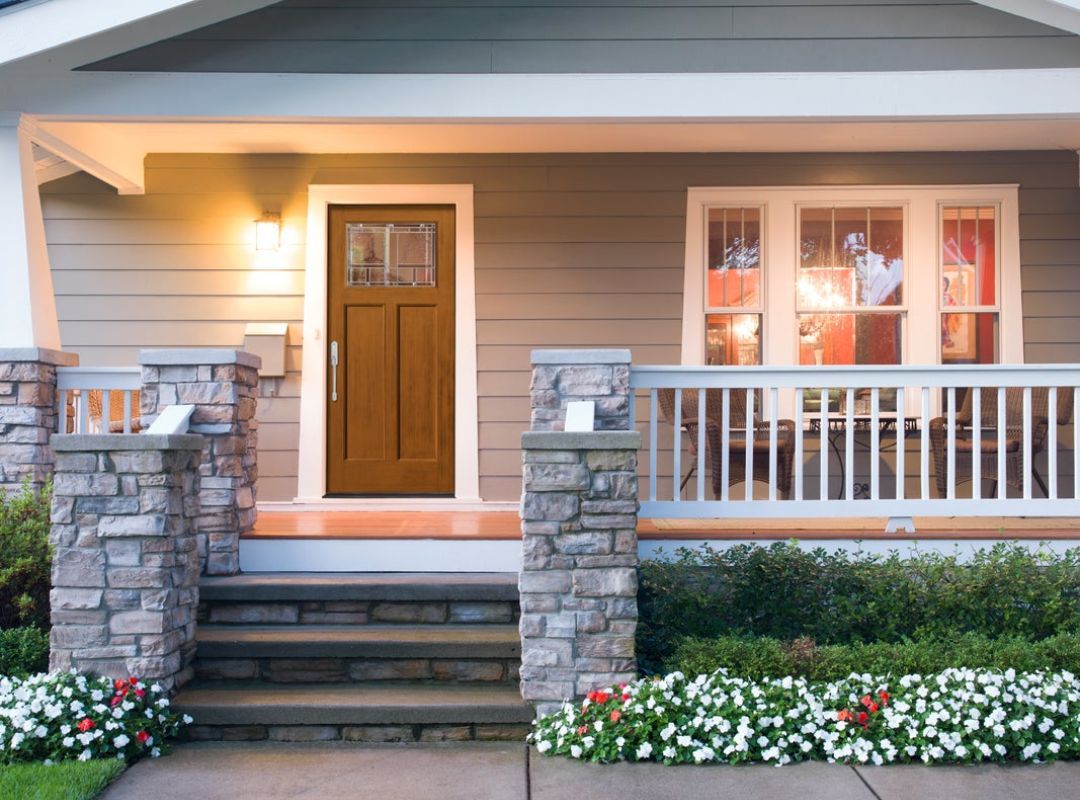
Living along the Texas Gulf Coast means dealing with high humidity, salty air, and year-round moisture. In communities across the Rio Grande Valley, including McAllen, Harlingen, and Brownsville, these coastal conditions affect much more than comfort levels - they also take a toll on the materials used throughout your home, especially your entry door.
Many homeowners are surprised to learn that different door materials respond to moisture in very different ways. Wood can absorb humidity and swell, steel may become vulnerable to corrosion, and even low-maintenance materials have strengths and limitations in coastal environments.
Understanding How Coastal Humidity Impacts Different Entry Door Materials can help you avoid premature damage, reduce maintenance costs, and choose a door that performs well for years to come.
By understanding how wood, steel, and fiberglass respond to constant moisture, temperature fluctuations, and salt exposure, you can make a more informed decision and invest in an entry door that suits the unique demands of the Rio Grande Valley's climate.
Why Coastal Humidity Is So Tough on Entry Doors
Coastal humidity does more than make the air feel heavy. Over time, constant moisture, salt exposure, and intense sunlight can place significant stress on your entry door and its components. Common problems include:
- Moisture absorption that leads to swelling and warping, makes doors difficult to open, close, or seal properly.
- Condensation buildup between the door and frame, which can contribute to excess moisture and reduced energy efficiency.
- Salt exposure that accelerates corrosion, especially on metal doors, hinges, locks, and other hardware.
- Mold and mildew grow in materials that remain damp for extended periods.
- Premature finish deterioration, as paint and stains must withstand the combined effects of humidity, heat, and UV exposure.
A door that performs beautifully in a dry, inland climate can struggle in a coastal one. That is exactly why you should understand how coastal humidity impacts different entry door materials.
How Each Entry Door Material Reacts to Coastal Humidity
Not all doors respond to moisture the same way. Here is a closer look at how the three most common materials, wood, steel, and fiberglass, hold up against the Valley's coastal climate.
Wood Entry Doors and Coastal Humidity
Wood is timeless, warm, and full of character, which is why so many homeowners love the look. In a humid coastal setting, though, wood is the most demanding material to own.
Natural wood absorbs and releases moisture with the weather. In the Valley's humidity, that means a wooden door can swell, making it stick or rub against the frame. As it dries and reabsorbs over the seasons, it may warp, crack, or split. Salt air and persistent dampness also raise the risk of rot and mold along the bottom edge and joints.
Wood doors can absolutely work near the coast, but they require ongoing maintenance: regular sealing, refinishing, and prompt attention to any chips in the protective coating.
Steel Entry Doors and Coastal Humidity
Steel doors are strong, secure, and budget-friendly, and they resist warping far better than wood. Their main vulnerability in a coastal climate is corrosion.
The steel itself is protected by a factory coating and paint. As long as that surface stays intact, the door holds up well. But salty, humid air is relentless. Once the finish is scratched, dented, or chipped, moisture can reach the metal underneath, and rust can begin, often around the edges and the bottom of the door.
Steel can also "sweat" when warm, moist air meets a cooler surface, leading to condensation that needs to be managed. With prompt touch-ups and good weatherstripping, a steel door can serve a coastal home well. It simply needs more vigilance than many homeowners expect.
Fiberglass Entry Doors and Coastal Humidity
For the Rio Grande Valley's climate, fiberglass is often the standout choice. It is engineered to resist exactly the conditions that challenge wood and steel.
Fiberglass does not absorb water the way wood does, so it will not swell, warp, or rot in high humidity. It does not rust like steel, which makes salt air far less of a concern. Many fiberglass doors are also built with insulating cores that help with energy efficiency, a real benefit during hot, sticky Valley summers. Plus, fiberglass can be molded to replicate the rich texture of real wood grain, so you get the look you love without the upkeep.
This is the big takeaway when learning How Coastal Humidity Impacts Different Entry Door Materials: The material that needs the least babysitting in our climate is usually fiberglass.
At Window World Rio Grande Valley, you get entry doors known for their coastal-friendly performance with a look that fits your home.
Choosing the Best Doors for Coastal Areas
Not every entry door is built to handle the challenges of a coastal climate. If you live in a humid, salt-air environment like the Rio Grande Valley, focusing on the right features can make the difference between a door that lasts for decades and one that requires frequent repairs or replacement.
When comparing your options, keep these key priorities in mind:
- Moisture resistance: Favor materials that will not absorb water and swell.
- Corrosion resistance: Look for finishes and materials that shrug off salt air.
- Energy efficiency: An insulated core helps keep cooling costs down in Valley heat.
- Low maintenance: Choose a door you will not have to reseal or repaint every year.
- Quality installation: Even the best door fails early if it is not sealed and fitted correctly.
To know more about top-performing entry doors, contact our professionals.
The Bottom Line for Valley Homeowners
Knowing how coastal humidity impacts different entry door materials helps you skip the trial and error. Wood brings beauty but demands the most care, steel offers strength but needs watchful upkeep against rust, and fiberglass delivers the easiest, most durable performance for our coastal conditions. Match the material to the climate, install it well, and your front door will keep looking good and working hard for years.
Ready to find the right fit for your home? Get a free quote from Window World Rio Grande Valley and let our team help you choose a door built for life in the Valley.
Frequently Asked Questions
-
Fiberglass is usually the top choice of material for a coastal climate. It resists moisture, will not warp or rot, and does not rust in salt air, making it well-suited to the Rio Grande Valley's humidity.
-
Wood is absorbent and will absorb moisture, which can cause swelling, warping, and rot in time. Regular sealing and refinishing are also important for wood entry doors to last.
-
Steel entry doors are highly durable, but they are not completely immune to the effects of coastal humidity. A quality steel door is protected by a factory-applied finish that helps prevent rust and corrosion.
-
Swelling or warping of materials can alter the fit, creating gaps and allowing more moisture and air to enter. Stable material and quality weatherstripping keep the seal tight.
-
An insulated, well-sealed entry door reduces air leaks and helps your cooling system work less during hot, humid Valley summers, which can support better energy efficiency.
-
A storm door adds an extra layer of defense against wind-driven rain and humidity, helping protect your main entry door and extend its life.