

 Back to Blogs
Why Patio Door Tracks Wear Out Faster in South Texas
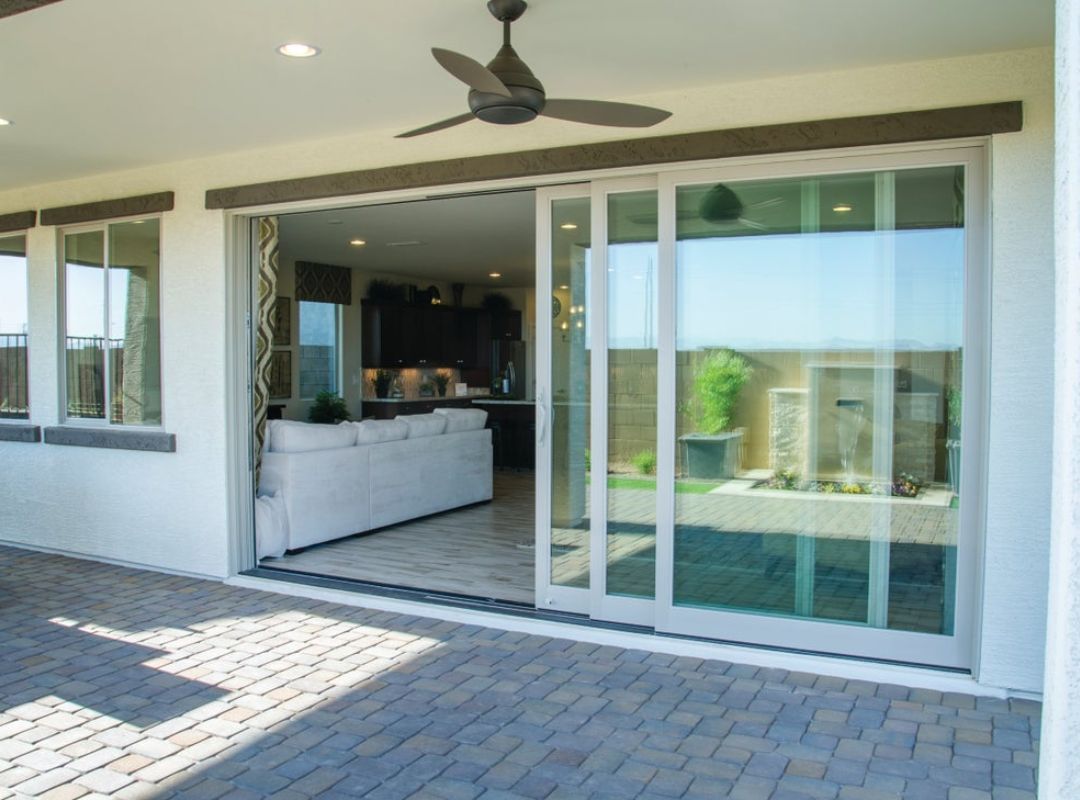
Patio doors are built for years of daily use, but homeowners in South Texas often deal with sticking doors, grinding noises, or tracks that wear out sooner than expected. Some wear is simply a part of aging, but local weather conditions and environmental factors can dramatically accelerate the process.
Understanding why patio door tracks wear out faster in South Texas can help homeowners recognize problems early and take steps to prevent expensive repairs.
From extreme heat and airborne dust to humidity and heavy use, several factors work together to place additional stress on sliding patio door systems. Knowing what causes this accelerated wear can help you extend the life of your doors and maintain smooth operation for years to come.
Key Factors Causing Accelerated Track Wear
South Texas patio doors can present problems that homeowners in other parts of the country don’t face as often. Over time, the combination of climate, environmental conditions, and everyday usage can slowly break down the track system.
Below are some of the primary reasons why patio door tracks experience accelerated wear in this region.
Extreme Heat and Temperature Fluctuations
South Texas is known for its long, hot summers and intense sunlight. Constant exposure to high temperatures causes materials to expand and contract repeatedly, placing stress on the track and roller system.
Fluctuations in temperature over time can cause misalignment, which in turn makes the door difficult to open and causes uneven wear on the track.
Dust, Sand, and Airborne Debris
Wind often carries dust, dirt, and fine sand particles that settle inside patio door tracks. Although these particles may seem harmless, they act much like sandpaper when the door rollers move across them.
As debris accumulates, friction increases and gradually wears away the track surface, shortening its lifespan.
High Humidity and Moisture Exposure
Humidity is another factor contributing to why patio door tracks wear out faster in South Texas. Moisture can lead to corrosion and rust, particularly on older metal components.
When rust develops, the rollers may not glide smoothly, forcing the door to work harder and causing additional strain on the track.
Frequent Door Usage
Many South Texas homeowners enjoy outdoor living spaces throughout the year. As a result, patio doors are often opened and closed numerous times each day.
Heavy usage naturally increases wear on both the rollers and the track, especially if regular cleaning and maintenance are overlooked.
Window World of Rio Grande Valley offers the best-in-class patio doors known for their durability and long-term performance.
Reasons for Damage to Patio Door Tracks
Even though the weather plays a major role, not all damage is caused by the climate alone. Everyday habits and neglected maintenance can also shorten the life of your patio door tracks.
Understanding these common causes can help homeowners avoid unnecessary repairs.
Lack of Regular Cleaning
One of the most common causes of track damage is simply failing to clean it regularly. Dirt, pet hair, leaves, and other debris can collect inside the channel and interfere with the rollers.
Over time, this buildup creates friction and causes the track surface to wear down prematurely.
Worn or Damaged Rollers
Rollers are designed to glide smoothly along the track. However, when they become worn or damaged, they may drag directly against the metal.
This can create grooves and scratches that eventually require professional repair or replacement.
Improper Installation
A patio door that is not installed correctly may place uneven pressure on certain areas of the track. Even a slight misalignment can lead to excessive wear over time.
Window World of Rio Grande Valley offers professional installation services that help ensure the door operates evenly and reduce unnecessary stress on the track system.
Heavy Impact or Excessive Force
Forcing a stuck patio door open or repeatedly slamming it shut can damage the track. Bent sections and dents may interfere with roller movement and create additional friction.
A gentle operation can go a long way toward extending the lifespan of the entire door system.
Aging Components
Like any component in your home, patio doors eventually experience normal wear and tear. Years of use combined with exposure to the South Texas climate can weaken tracks and rollers. Older systems may develop cracks, corrosion, or misalignment that affects their performance.
Warning Signs Your Patio Door Tracks Need Attention
Track problems rarely appear overnight. In most cases, homeowners notice small changes that gradually become worse over time.
Paying attention to these early warning signs can help prevent more extensive and costly repairs.
- Difficulty opening or closing the door.
- Grinding, scraping, or squeaking noises.
- Visible dents, bends, or cracks in the track.
- Uneven movement or sticking.
- Excessive dirt buildup inside the track.
- Rust or corrosion on metal components.
Ignoring these symptoms may allow minor issues to develop into major repairs.
How to Extend the Life of Patio Door Tracks
One of the best ways to protect your investment is with regular maintenance. A few simple preventative measures can significantly improve the lifespan of your patio door system.
Consistent care not only helps avoid repairs but also keeps the door operating smoothly and efficiently.
Clean the Tracks Regularly
Vacuum debris and wipe the track with a damp cloth to remove dirt and buildup before it creates friction.
Lubricate Moving Components
Applying a silicone-based lubricant helps rollers glide smoothly and reduces unnecessary wear.
Inspect Rollers Periodically
Replacing worn rollers before they fail completely can prevent damage to the track itself.
Avoid Slamming the Door
Gentle use of the door minimizes impact and helps keep it properly aligned.
Schedule Routine Maintenance
Professional inspections catch small problems before they become expensive repairs.
When to Call a Professional
Some issues can be resolved with basic cleaning and maintenance, but others require professional attention. Continuing to use a damaged patio door may worsen the problem and increase repair costs.
If you notice any of the following signs, it may be time to seek expert help.
- The door still sticks after cleaning the tracks.
- The track is bent, cracked, or heavily worn.
- Rollers are damaged or no longer functioning properly.
- Rust and corrosion have become severe.
- The door appears uneven or misaligned.
- Opening and closing the door requires excessive force.
In some situations, replacing the entire system may be the most practical solution. Modern patio doors are designed to withstand the conditions that contribute to why patio door tracks wear out faster in South Texas, providing improved durability, smoother operation, and better energy efficiency.
Recognizing the warning signs and getting help from our experienced professionals when needed keeps your patio doors functioning smoothly and protects your home’s comfort and functionality for years to come. Get a free quote!
Frequently Asked Questions
-
Patio door tracks can wear out faster than many other areas of the home due to harsh conditions like high temperatures, humidity, airborne dust, and frequent use.
-
Most homeowners should clean the tracks every two to three months. Homes exposed to heavy dust or sand may require monthly cleaning.
-
Minor bends and debris-related issues can often be repaired, while severely worn or corroded tracks may require replacement.
-
Dirty tracks, worn rollers, rust, misalignment, and damaged components are among the most common reasons patio doors become difficult to operate.
-
If the track, rollers, and frame have extensive damage or the door is older and inefficient, replacement may provide better long-term value.