

 Back to Blogs
What Happens to Standard Windows During Texas Windstorms?
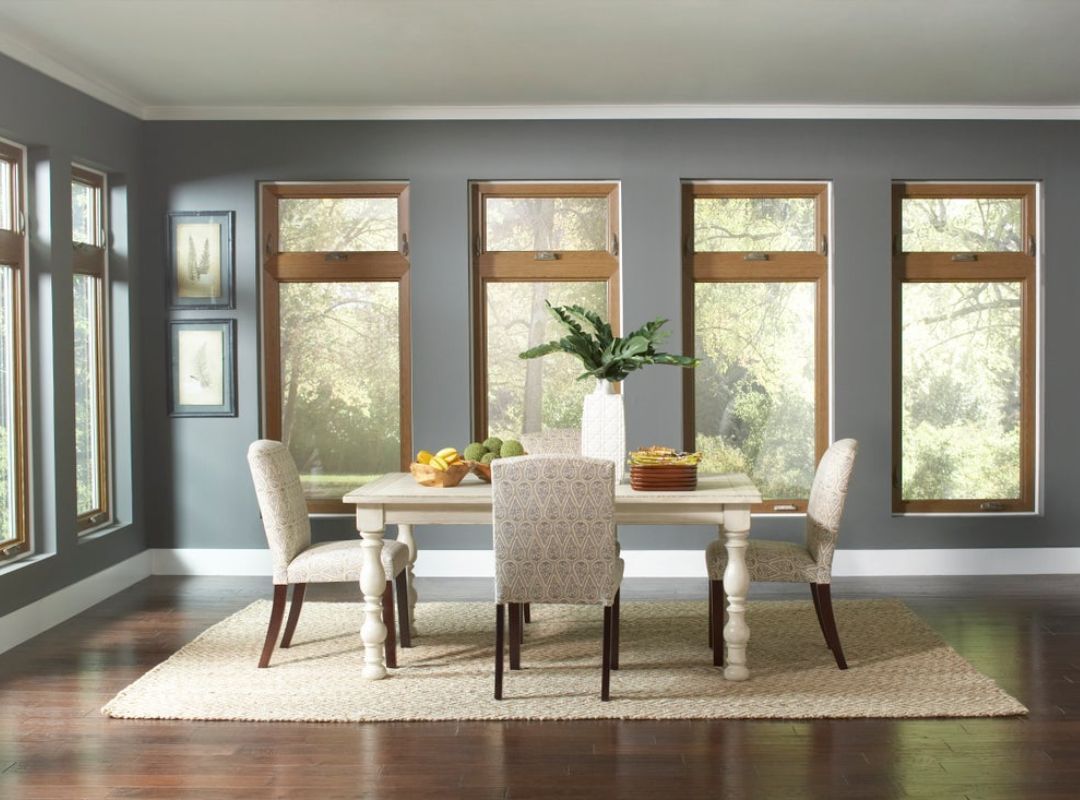
Texas windstorms can bring powerful gusts, heavy rain, and flying debris, putting every part of a home under stress. Among the most vulnerable areas are the windows. While standard windows are designed for everyday conditions, they are not built to withstand the extreme forces of severe weather. As a result, they can crack, leak, or even fail completely when exposed to strong winds and airborne debris.
Understanding what happens to standard windows during Texas windstorms is important for homeowners who want to protect their property and avoid costly repairs.
Damage often begins with small issues such as broken seals or water intrusion, but it can quickly escalate into structural damage and interior losses.
Here's a closer look at how standard windows respond during a Texas windstorm and why severe weather can expose their biggest weaknesses.
How Texas Windstorms Put Standard Windows to the Test
Texas storms are a triple threat. They combine sustained high winds, sudden pressure swings, and wind-borne debris, often all at once. Most standard windows, the kind found in many older homes, use annealed (basic) glass set in lightweight frames. That construction handles everyday weather just fine, but a serious windstorm is a different story.
During a strong storm, wind doesn't just push against your window: it pulls, too. As gusts wrap around your house, they create suction on the downwind side. A standard window has to resist that back-and-forth force while staying sealed and anchored to the wall. The bigger the window, the more force it has to handle. Once the pressure climbs past what the glass and frame were designed for, something gives.
Then there is the debris. In high winds, loose branches, roof shingles, patio furniture, and yard items all become projectiles. Even a small object moving at storm speed can crack or shatter ordinary glass on impact.
What Happens When a Standard Window Fails
When a standard window gives out in a windstorm, you'll typically see one of a few outcomes:
- Cracking or shattering on impact. Annealed glass breaks into large, sharp shards that scatter across the room, creating an injury hazard for anyone nearby.
- Frame failure. Sometimes the glass survives, but the frame flexes, the seals break, or the entire unit gets pushed out of the opening. Lightweight or aging frames are especially vulnerable.
- Water intrusion. Once a seal fails, wind-driven rain pours in. This leads to damaged flooring, soaked drywall, and lingering moisture that can cause mold and rot long after the storm passes.
When you see any such signs, you can replace your standard windows with high-performing bay, bow, double-hung, and sliding windows.
The Hidden Danger: Pressure Changes Inside Your Home
This is the part most homeowners don't see coming. When a window breaks during a windstorm, wind rushes in and suddenly pressurizes the inside of your home. That internal pressure pushes outward and upward on your walls and roof at the same moment the storm is pushing in.
The result can be serious. That pressure imbalance is a major reason roofs lift and structures fail during severe storms. In other words, a single broken window can turn a manageable storm into a structural emergency. Keeping the building envelope, the sealed shell of your home, intact is one of the most important things you can do to protect everything inside it.
What Hail Does to Standard Glass
Hail deserves its own mention, because Texas storms produce plenty of it. Hailstones range from pea-sized pellets to chunks several inches across, and they can strike windows at speeds of 100 mph or more. At that velocity, a standard pane doesn't stand much of a chance. Hail can pit, crack, or shatter ordinary glass in seconds, and repeated hits from a single storm only make it worse.
Even if the glass doesn't break, hail can break seals and weaken the unit making it more prone to failure in the next storm. That’s why the type of glass and strength of the frame is so important in hail-prone areas.
Choosing Windows That Can Withstand a Texas Hailstorm
If standard windows are the weak link, the good news is that stronger options exist. When you're looking for windows that can withstand a Texas hailstorm and high winds, here's what makes the difference:
- Impact-rated Glass; Laminated glass bonds two panes around a tough plastic interlayer (usually PVB). If hail or debris cracks it, the interlayer holds the fragments in place, keeping the window intact and keeping the weather out.
- Reinforced Frames: Strong vinyl or reinforced aluminum frames resist warping, cracking, and puncture far better than thin, basic frames.
- Tight Seals and Multi-Point Locks: These keep the sash stable under pressure and block water intrusion even if the outer glass takes a hit.
- A Solid Design Pressure (DP) Rating: A window's DP rating tells you how much wind pressure it can withstand while closed and locked. The higher the rating, the better it will protect you in rough weather.
One important note: tempered glass is not the same as impact-rated glass. Tempered glass is a safety glass that breaks into small, dull pieces, but without a laminated interlayer, it isn't built to withstand storm-driven debris. Always check the label and ask your installer to confirm what you're getting.
Just as important as the window itself is the installation. Even the strongest window can fail if it isn't anchored, flashed, and sealed correctly, which is why professional installation from the Window world of Rio Grande Valley matters so much in a storm-prone region.
Protect Your Home with Professional Window Installation Services
Standard windows simply weren't made for what Texas weather can do, and when they fail, the cost goes well beyond the glass. The good news is that you have stronger options. If you're ready to find windows built to withstand Texas winds and hail, we'd be glad to help you explore the right-fit windows for your home. Contact us today!
Frequently Asked Questions
-
Double-pane windows improve energy efficiency, but by themselves, they are not designed for storm impact. It is not only the two panes of glass that offer protection; laminated or impact-rated glass and reinforced frames do as well.
-
It varies, but the most common failures are the glass cracking on debris impact and the seals or frame giving way under pressure. Either one opens the door to wind and water damage.
-
Yes. Large hail can hit glass at 100 mph or more, which is more than enough to crack or shatter standard panes. Laminated and impact-rated glass is designed to take that hit and stay intact.
-
Because the breach changes the pressure inside your home. Wind rushing in pushes up on the roof and out on the walls, which can lead to far more serious structural damage than the broken window alone.
-
Look for an etched mark or permanent label on the glass or frame. Words like laminated are a good indicator. If you can’t tell, a professional can confirm it very quickly during an in-home assessment.