

 Back to Blogs
The Power of Energy-Efficient Doors
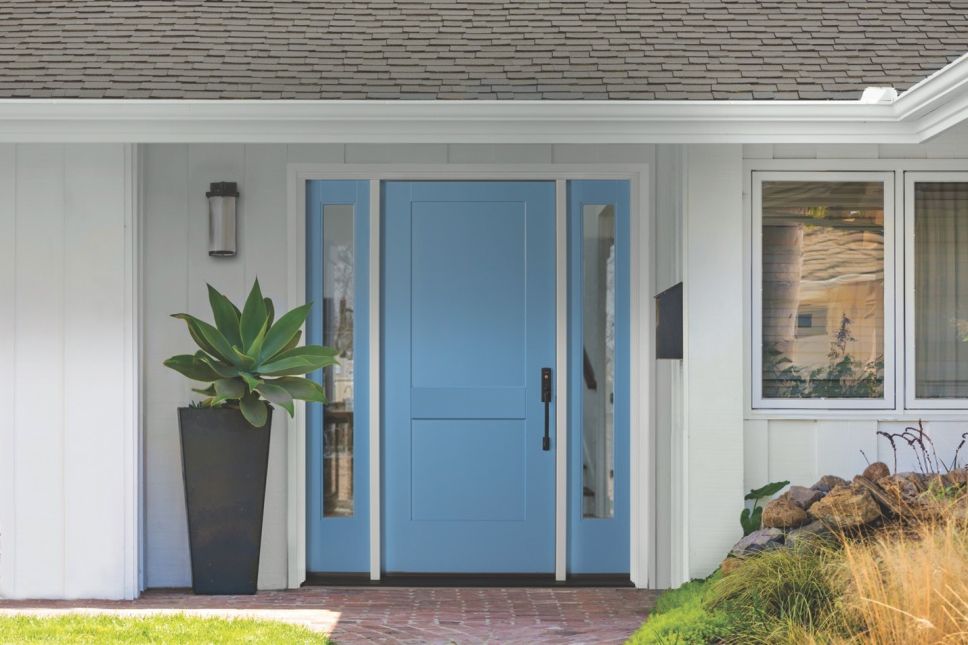
Energy-efficient doors play a powerful role in how homes across the Rio Grande Valley manage comfort, energy use, and everyday living. With long summers, intense heat, and frequent temperature swings, homeowners often struggle to keep indoor spaces comfortable without overworking cooling systems. Many do not realize that older doors contribute heavily to this problem.
Traditional doors allow heat to pass through gaps, weak insulation, and worn seals. This creates uncomfortable indoor conditions, uneven temperatures, and higher energy usage. Over time, these issues add stress to HVAC systems and increase frustration for homeowners.
The solution lies in upgrading to energy-efficient doors designed to limit heat transfer and improve insulation. This guide explains how energy-efficient doors work, why they matter for homes in the Rio Grande Valley, and how they support comfort, efficiency, and long-term value.
What Makes Energy-Efficient Doors Different and How They Function
Energy-efficient doors are exterior doors built to reduce heat movement between indoor and outdoor environments. Unlike traditional doors, these doors use insulated cores, tight sealing systems, and durable materials that help block unwanted heat.
The design focuses on limiting air leakage and maintaining stable indoor temperatures. Advanced insulation, reinforced frames, and precision weatherstripping work together to prevent hot air from entering and cooled air from escaping.
For homeowners in warm climates like the Rio Grande Valley, energy-efficient doors provide meaningful performance improvements that are noticeable year round.
Key Benefits of Installing Energy-Efficient Doors in Homes
One of the strongest advantages of energy-efficient doors is the overall improvement in home performance. These doors support comfort, efficiency, and durability without requiring major structural changes.
Key benefits include:
- Reduced heat transfer through entry points
- Improved indoor temperature consistency
- Less strain on cooling systems
- Enhanced comfort near doorways
Energy-efficient doors also help maintain better indoor conditions during extreme weather, which is especially valuable in the Rio Grande Valley.
How Energy-Efficient Doors Improve Indoor Comfort
Comfort is one of the first improvements homeowners notice after installing energy-efficient doors. Older doors often feel warm to the touch during hot days and allow drafts near entryways.
Energy-efficient doors help maintain cooler interior surfaces and reduce hot spots inside the home. Insulated cores and sealed edges prevent heat from radiating inward, creating a more balanced indoor environment.
This upgrade helps maintain steady comfort across the home, particularly in areas closest to exterior doorways.
Materials Used in High-Performance Energy-Efficient Doors
The materials used in energy-efficient doors play a major role in their performance. Many modern doors are designed with durability and insulation in mind.
Common features include:
- Insulated cores that resist heat transfer
- Strong outer shells that support long-term use
- Weather-resistant finishes
Fiberglass doors are widely used because they provide excellent thermal insulation while resisting warping, cracking, and moisture damage. These qualities make them well suited for the climate conditions found in the Rio Grande Valley.
Energy-Efficient Doors vs Traditional Doors: A Comparison
Comparing energy-efficient doors to traditional doors highlights the difference in performance and comfort. Traditional doors often lack sufficient insulation and rely on basic seals that degrade over time.
Energy-efficient doors are designed to perform consistently over years of use. They reduce air leakage, limit heat transfer, and maintain their sealing capabilities longer than older door designs.
Homeowners dealing with temperature fluctuations or recurring drafts often notice quick improvements after switching to energy-efficient doors.
Role of Insulation and Weatherstripping in Energy Savings
Insulation and weatherstripping are essential components of energy-efficient doors. Insulation helps block heat movement through the door itself, while weatherstripping seals gaps around the frame.
Together, these features:
- Reduce air infiltration
- Support stable indoor temperatures
- Protect interior spaces from outdoor heat
High-quality weatherstripping remains flexible and effective even under frequent door use, which helps maintain performance over time.
How to Select the Right Energy-Efficient Door for Your Home
Choosing the right energy-efficient door involves considering both performance and appearance. Homeowners should look for doors that balance insulation, durability, and design.
Important factors include:
- Insulated construction
- Strong sealing systems
- Material suited for local climate
- Style that complements the home exterior
Homeowners interested in upgrading their entryway can explore Entry Door Replacement in Pharr, TX to learn more about professionally installed options designed for regional conditions.
Long-Term Cost Savings and Environmental Impact of Energy-Efficient Doors
While energy-efficient doors are chosen primarily for comfort and performance, they also support long-term savings. By reducing heat transfer, these doors help cooling systems operate more efficiently.
Over time, improved efficiency can contribute to lower energy use and reduced environmental impact. Energy-efficient home upgrades support sustainability goals while improving everyday living conditions.
Many energy-efficient doors also meet standards associated with Energy Star, helping homeowners easily identify high-performing options, including a range of modern front door designs that combine style with efficiency.
Why Energy-Efficient Doors Matter in the Rio Grande Valley
Homes in the Rio Grande Valley face prolonged heat and intense sun exposure. Entry points such as doors are common sources of heat gain when they are outdated or poorly insulated.
Energy-efficient doors help block outdoor heat, protect indoor comfort, and support consistent performance even during extended warm seasons. This makes them a practical upgrade for homeowners looking to improve their home environment.
Homeowners considering a broader upgrade may also explore Patio Door Replacement in Pharr, TX as part of a complete energy-efficient improvement plan.
Professional Installation Makes the Difference
Even the best energy-efficient doors rely on proper installation to perform as intended. Professional installation ensures correct alignment, secure sealing, and long-term durability.
Professional installation helps:
- Prevent air leaks
- Protect insulation performance
- Maintain door operation
- Support manufacturer warranties
Homeowners seeking professional solutions can explore options with Window World Rio Grande Valley, which provides replacement and installation services designed for local homes.
Conclusion
Energy-efficient doors offer powerful benefits for homeowners across the Rio Grande Valley. Older doors allow excess heat to enter, reduce comfort, and place strain on cooling systems.
Upgrading to energy-efficient doors improves insulation, enhances indoor comfort, and supports long-term efficiency. With the right materials and professional installation, these doors help homes perform better in demanding climates.
For homeowners ready to improve comfort and efficiency, energy-efficient doors represent a smart and lasting home upgrade.
Frequently Asked Questions
-
Insulated cores, tight sealing, and durable materials that limit heat transfer define energy-efficient doors.
-
Yes. They improve comfort, support efficiency, and enhance long-term home performance.
-
Savings vary by home, but improved insulation helps reduce cooling system workload.
-
Updated doors often enhance curb appeal and signal better home efficiency to buyers.
-
Yes. Professional replacement allows energy-efficient doors to be installed in existing openings.