

 Back to Blogs
Signs Your Current Windows May Not Be Storm-Ready
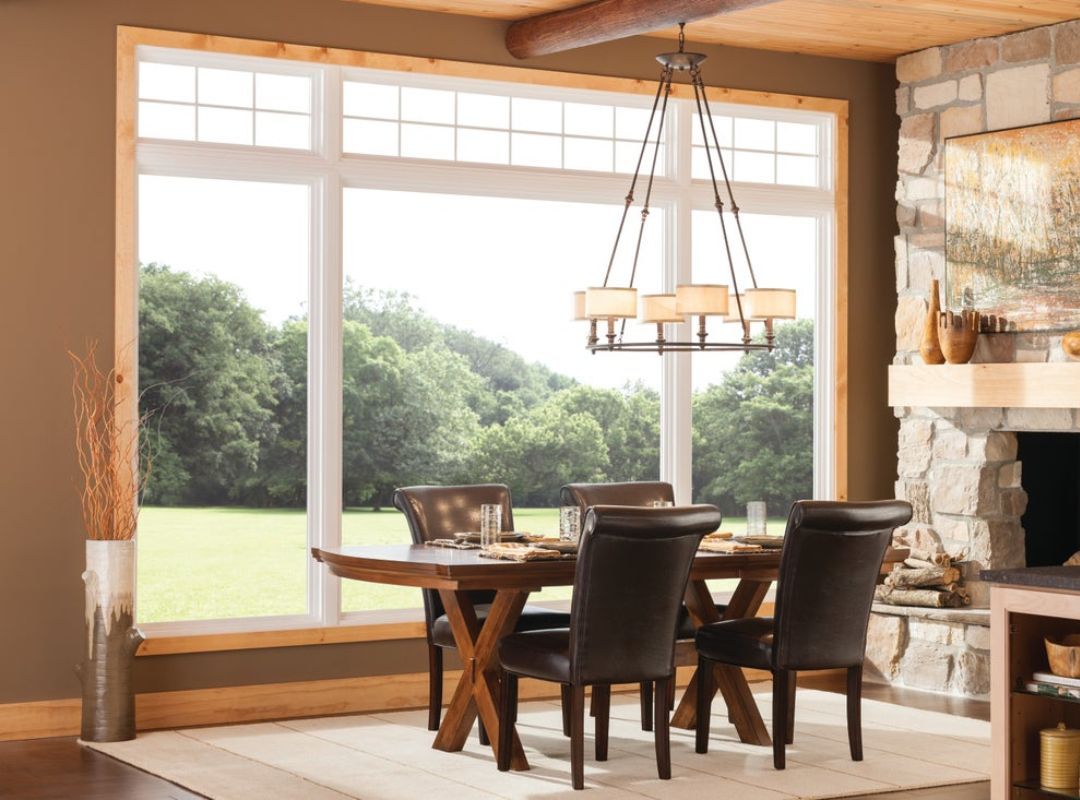
Just like other parts of your home, your windows can reveal weaknesses that often go unnoticed until severe weather tests them. Over time, age, wear, and everyday exposure to the elements can reduce their ability to withstand strong winds, heavy rain, and flying debris.
Even if your windows appear to be in good condition, hidden problems such as weakened seals, damaged frames, or outdated glass can leave your home vulnerable when a major storm strikes.
Understanding the signs your current windows may not be storm-ready is an important step in protecting your property and avoiding expensive repairs. In many cases, windows provide an early warning of declining performance. Learning about these issues ahead of time can save you time and money when storm season arrives and help you make the necessary repairs or upgrades to make your home safer and more energy-efficient.
Below are some of the most common indicators that your current windows may not be prepared to handle severe weather, along with what those warning signs could mean for your home.
Why Windows Are Critical to Storm Protection
It is easy to think of your roof as the main shield against a storm, but your windows matter just as much. A single broken window during high winds can change the air pressure inside your home. That sudden change can push against your walls and roof from the inside, which sometimes leads to far worse structural damage than the broken glass alone.
Windows also control how much water gets in. A poor seal or a small crack can let rain seep into your walls, causing mold, rot, and stained drywall over time. Strong, well-installed windows keep wind, water, and debris where they belong: outside.
That is why learning the signs your current windows may not be storm-ready is among the smartest steps a homeowner can take before storm season.
Signs Your Windows Are Not Ready for a Storm
Watch for these key indicators around your home that could suggest your windows are not storm-ready.
- Drafts and air leaks. Stand near each window on a windy day. If you feel air moving through, the seal has likely worn out. A window that lets air in during normal weather will struggle to withstand storm-force winds.
- Cracks or chips in the glass. Even a small crack is a weak point. Under the stress of high wind and flying debris, that crack can spread fast, and the whole pane can give way. Single-pane glass is especially at risk because it has no extra layer of protection.
- Cloudy or foggy glass. If you have double-pane windows and you notice fog or moisture between the panes, the seal has broken. That broken seal means the window has lost some of its strength and insulating ability.
- Difficulty opening or closing. Windows that stick, jam, or will not lock properly are warning you that the frame has shifted or warped. A window that does not lock tightly will not stay shut when wind pushes hard against it.
- Soft, rotting, or damaged frames. Wood frames can rot, and older metal or vinyl frames can crack and weaken. Press gently around the frame. If it feels soft or you see crumbling material, the frame can no longer hold the glass securely during a storm.
- Water stains around the window. Stains on the wall, sill, or ceiling near a window mean water is already getting in. During a heavy storm, that small leak can quickly become a major one.
- Old age and outdated design. If your windows are 15 to 20 years old or older, they were likely built to older standards. Newer impact-rated windows are designed to handle wind and debris far better than older models.
- No impact protection. Standard windows are not built to survive flying debris. If you live in an area that sees strong storms or hurricanes and you do not have impact-resistant glass or storm shutters, your home is exposed.
If you spot one or more of these signs, it is worth having your windows inspected before the next storm season begins. Window World seasoned professionals oversee the entire installation process to ensure your windows fit properly.
How Proper Window Installation Prevents Future Storm Damage
A strong window is only as good as its installation. Even the best impact-rated glass will fail if it is fitted into a weak frame or sealed poorly. This is one of the most overlooked parts of storm protection.
Proper installation makes a difference in several ways. The frame must be anchored firmly into the wall so it does not shift or pull loose under pressure. The seals must be applied correctly to block both air and water. And the window must sit level and square so that the weight and stress are evenly distributed across the entire unit. When any of these steps is rushed or skipped, the window becomes a weak point, no matter how strong the glass is. In fact, poor installation is one of the most common signs your current windows may not be storm-ready, even when the glass itself looks fine.
This is why we always recommend professional installation over a quick do-it-yourself fix. A trained installer knows how to anchor, seal, and align each window for the conditions in your area. Good installation also protects your warranty, since many manufacturers require professional installation for coverage to remain valid. Once you know the signs your current windows may not be storm-ready, turn to professional installers such as Window World of Rio Grande Valley.
What You Can Do Before the Next Storm
You do not have to replace everything at once. Start with a simple walk-through of your home. Check each window for the signs above and note which look worn or damaged. Pay extra attention to windows on the side of your home that face the wind, since those take the most pressure.
For small problems such as worn weatherstripping or minor gaps, new seals and fresh caulk can help in the short term. If you have cracked glass, failed seals, rotting frames, or very old windows, it’s safer to replace them. If you’re not sure where your windows stand, a professional inspection will give you a clear answer and a plan that fits your budget.
Strong, well-installed windows from our experienced team can help protect your home, cut your energy bills, and offer real peace of mind when the weather turns nasty. Contact us today!
Frequently Asked Questions
-
Impact-rated windows usually have a permanent label or etching on the glass or frame that lists the rating. If you cannot find one, check your purchase paperwork or ask a window professional to inspect them for you.
-
A yearly check is a good habit, ideally before storm season. You should also inspect them after any major storm to catch new damage early.
-
Yes, for most homeowners in storm-prone areas. They cut the risk of costly storm damage, improve energy efficiency, and can even cut some insurance costs. In the long run, the savings and protection often outweigh the initial cost.
-
Note which window it is and how bad the issue looks, then schedule a professional inspection. It is much cheaper and safer to catch a small problem early than to wait until it fails during a storm.