

 Back to Blogs
How to Tell If Your Home Is Losing Cool Air Through Old Windows
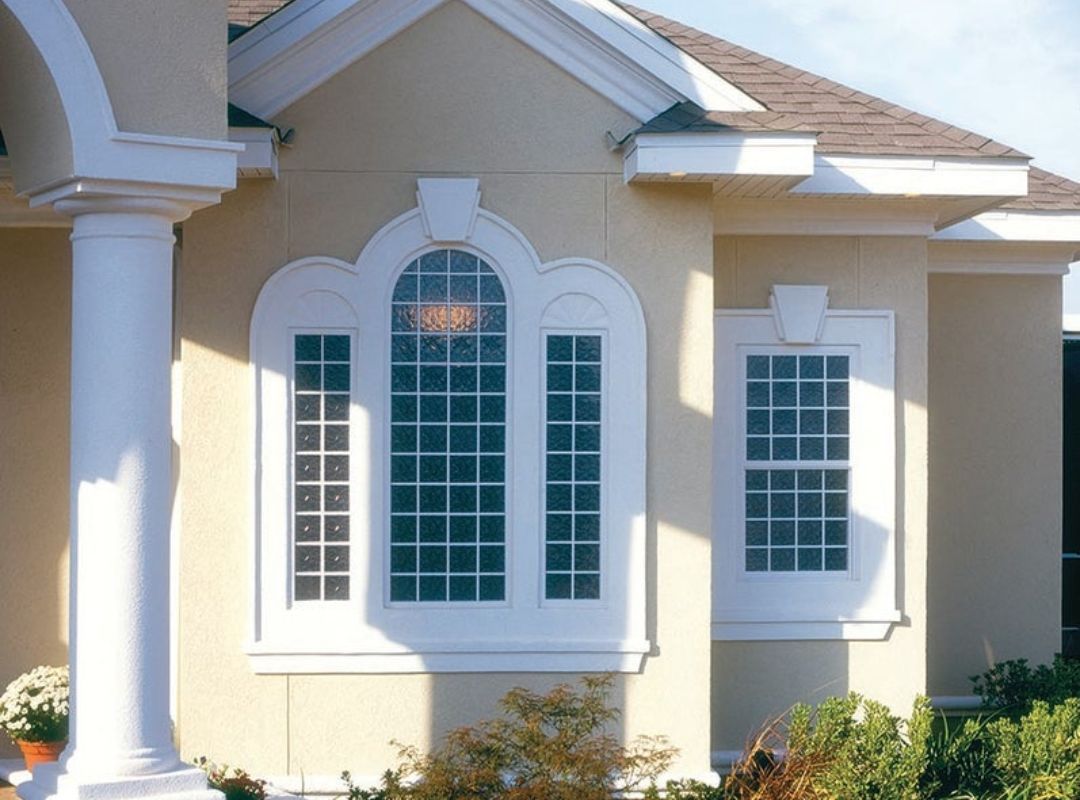
In the Rio Grande Valley, your air conditioner works hard from spring through fall, and sometimes well into winter. When your windows are old or worn, a surprising amount of that cooled air slips outside before you ever feel the benefit. The result is a home that never quite gets comfortable, an AC unit that runs nonstop, and utility bills that creep higher every summer.
The good news is that your home gives off clear signals when your windows are the problem. Learning how to tell if your home is losing cool air through old windows can help you act before the next heat wave arrives. Below, we break down the science behind window heat transfer, the warning signs to watch for, and the simple tests you can run yourself.
Understanding Window Heat Loss Mechanics
Understanding how heat and cool air move through a window can help you identify a problem. In a climate as hot as ours, it’s not so much heat escaping as it is outside heat pushing in, while your cooled, conditioned air leaks out. There are three mechanisms that make this exchange possible.
- Conduction is heat moving directly through a solid material. Glass, metal frames, and window seals all conduct heat. Older single-pane windows and aluminum frames conduct heat very efficiently, which is exactly what you do not want. They absorb the South Texas sun and radiate that warmth straight into your living room.
- Convection is the transfer of heat by moving air. When warm outdoor air meets the cool surface of your glass, air currents form and transfer heat across the window. In older windows with a single pane, there is nothing to slow this process down.
- Radiation is heat carried as electromagnetic waves, such as infrared radiation in direct sunlight. A clear, uncoated pane lets that radiant heat pour into your home, warming floors, furniture, and walls even when the window is shut tight.
Modern replacement windows battle all three. Double-pane insulating glass has an insulating layer of air or argon gas sealed between the panes to reduce conduction and convection. Low-emissivity, or low-E, coatings are microscopic layers that reflect radiant heat and reduce solar heat gain while still allowing visible light to pass.
Choosing Window World Rio Grande Valley replacement windows is ideal for homes in the Rio Grande Valley, Texas, to fulfill their energy-efficiency needs.
The NFRC also gives energy-efficient windows two important numbers: the U-factor, which indicates how well the window resists heat transfer, and the Solar Heat Gain Coefficient (SHGC), which indicates how much solar heat passes through the window. In a cooling-dominated climate like the Valley, a lower SHGC is especially valuable because it keeps the sun's heat outside where it belongs.
How to Identify Heat Loss and Cool Air Leaks
How to tell if your home is losing cool air through old windows? Once you understand the mechanics, the symptoms become easy to recognize. Here are the most common signs your home is losing cool air through old windows.
- Rooms that never cool down evenly. If one room stays warm no matter how long the AC runs, or if the area near a window feels noticeably hotter than the rest of the room, your windows may be the weak point, letting heat in and cool air out.
- An air conditioner that never seems to rest. When cooled air escapes continuously, your system has to run longer and harder to hold the thermostat setting. Frequent cycling or almost continuous running on a hot afternoon often indicates envelope leaks, with windows as a common culprit.
- Rising energy bills with no change in habits. If you’re seeing year after year increases in your energy bills while your consumption is the same, then your windows are probably to blame. The inefficiency of worn seals and aging frames creeps up on a person, and it’s hard to notice until you compare bills side by side.
- Drafts you can feel. Stand near a closed window on a hot day. If you feel warm air sneaking in around the sash or frame, the seal has failed, and conditioned air is escaping through the same gap.
- Condensation or fogging between the panes. If moisture is found between the glass layers of a double-pane window, the seal has broken, and the insulating gas has leaked out.
- Visible wear on frames and seals. Cracked caulk, peeling weatherstripping, warped vinyl, rotting wood, or spaces between the frame and the wall are all open invitations for air to move freely.
- Hot glass to the touch. Press your hand against the interior glass during peak afternoon heat. If it feels hot, the window is conducting and radiating outdoor heat directly into your home.
Simple Tests You Can Do at Home
You do not need special equipment to investigate. A few quick checks can confirm your suspicions.
The candle or incense test is a Valley favorite. On a windy day, put a lit candle or incense stick by the edges of a closed window. If the flame flickers or the smoke blows to one side, there is a leak of air.
The paper test is even easier. Shut the window on a sheet of paper. If the paper pulls out easily without tearing, the seal is too loose to retain conditioned air.
You can also do a hand sweep. Run your hand slowly around the perimeter of the window frame on a hot day and feel for temperature changes or moving air. Warm spots reveal where heat is getting in.
Finally, walk through your home during the hottest part of the day and note which rooms feel least comfortable. If you notice that certain areas consistently feel warmer, especially near specific windows, those patterns can help you identify where improvements may be needed
What to Do About Cool Air Loss
If you find one or two minor gaps, fresh caulk and new weatherstripping can buy you some time. These fixes help, but they cannot restore efficiency to a window whose seals, frames, or single-pane glass have reached the end of their life.
When the signs add up across multiple windows, replacement is usually the smarter long-term investment. Energy-efficient replacement windows with double-pane insulating glass and low-E coatings are built to keep cooled air in and heat out, which can ease the load on your AC and provide more stable comfort in every room.
At Window World Rio Grande Valley, we install Energy Star-qualified windows designed for our climate, and we are happy to assess your home and walk you through the options. If you would like a professional opinion, we offer a free in-home consultation and quote.
Frequently Asked Questions
-
The amount varies by home, but inefficient windows are a well-documented source of energy loss. Single-pane and poorly sealed windows allow significant heat transfer, forcing your cooling system to work harder and raising your bills.
-
Yes. Double-pane insulating glass paired with a low-E coating slows heat transfer and reduces solar heat gain, which is exactly what a cooling-dominated climate needs. The insulating layer between panes helps keep your conditioned air inside.
-
Sealing up small drafts and adding weatherstripping is a reasonable first step. If the frame is broken, the glass is fogged, or you have single-pane windows, sealing is not going to offer long-term efficiency.
-
It means the seal on a double-pane window has failed, and the insulating gas has escaped. That window has lost its efficiency and is a strong candidate for replacement.
-
Look for an NFRC label listing the U-factor and SHGC and for the Energy Star certification. Lower numbers indicate better performance, and in our region, a low SHGC is especially helpful for keeping out solar heat.