

 Back to Blogs
What is the Best Material for an Exterior Entry Door
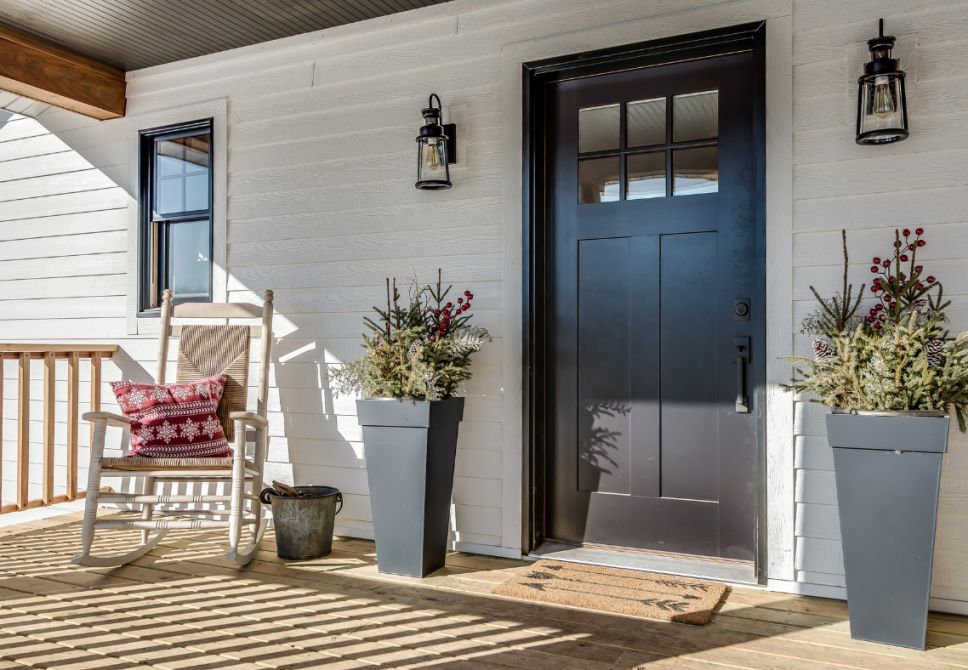
Choosing the best material for an exterior entry door is one of the most important decisions you can make for your home. A well-built entry door improves security, insulation, weather protection, and overall curb appeal. Homeowners in the Rio Grande Valley especially need a door that can withstand heat, humidity, and seasonal storms, while maintaining long-term performance.
This guide breaks down how different materials perform, what matters most, and why fiberglass entry doors offer the strongest balance of durability, insulation, and low maintenance.
Understanding the Importance of Exterior Entry Door Material
Your exterior door material directly affects durability, insulation rating, weather resistance, and long-term home energy efficiency. A quality entry door should:
- Withstand harsh temperatures and humidity
- Improve thermal insulation
- Strengthen home security
- Require minimal maintenance
- Resist warping, cracking, and rotting
In the Rio Grande Valley, where heat and moisture remain high for much of the year, selecting a weather-resistant entry door material is especially important, and understanding the Benefits of Entry Door Replacement for Better Home Security can also help homeowners make a more informed choice.
Wood Entry Doors: Classic Appeal With Natural Insulation
Wood entry doors offer traditional charm and natural insulation, making them a popular choice for homeowners who prefer a warm, classic appearance.
Pros
- Naturally insulating
- Visually appealing with rich grain options
- Customizable designs
Cons
- Prone to warping, swelling, and rotting in humid climates
- Requires ongoing maintenance such as staining or sealing
- More vulnerable to wear over time
Wood doors can be beautiful, but for regions like the Rio Grande Valley, their maintenance needs and weather vulnerability make them less practical than fiberglass.
Fiberglass Entry Doors: Durable, Low-Maintenance Performance
Fiberglass entry doors are widely considered the best overall material for homeowners seeking long-lasting performance, strong insulation, and low maintenance.
Why Fiberglass Stands Out
- Exceptional Durability: Fiberglass resists dents, warping, cracking, and corrosion, ideal for humid or coastal regions.
- Low Maintenance: No repainting or refinishing needed.
- Energy-Efficient Design: Insulated cores and advanced manufacturing help reduce heat transfer.
- Weather Resistance: Stands up to high temperatures, heavy rains, and direct sunlight.
- Variety of Styles: Can mimic the look of natural wood without the upkeep.
Fiberglass entry door material available from Window World Rio Grande Valley, consistently provides the best balance of strength, beauty, and energy efficiency.
Steel Entry Doors: Strength, Security, and Affordability
Steel entry doors are known for their strength and security and are often used where impact-resistance is a priority.
Pros
- Strong and secure
- Good insulation when paired with foam-filled cores
- Widely available
Cons
- Can dent or scratch
- Less resistant to coastal humidity
- Not as long-lasting in hot climates
While steel offers durability, it typically does not provide the comfort, insulation, or weather stability that fiberglass delivers, especially in warm regions.
Composite Entry Doors: A Modern, Weather-Resistant Choice
Composite doors blend multiple materials to offer balanced performance, and they are designed to resist moisture and warping.
Pros
- Weather-resistant
- Stable in changing temperatures
- Can mimic wood textures
Cons
- Performance varies by manufacturer
- Not as insulating as fiberglass
- Limited style options in some markets
Composite doors offer a middle-ground option, but their quality can vary, and they may not deliver the same energy-efficient performance as fiberglass.
Energy Efficiency: Which Door Material Saves the Most?
Energy efficiency is a major factor when choosing the best entry door material. Doors with strong insulation can reduce energy loss, helping maintain comfortable indoor temperatures.
Most energy-efficient materials (ranked)
- Fiberglass: Excellent insulation and ENERGY STAR®-qualified options
- Steel: Good insulation depending on internal core
- Wood: Naturally insulating but less efficient in humid climates
Fiberglass consistently offers the best long-term energy savings, making it the top choice for homeowners focused on comfort and efficiency.
Climate Considerations: Choosing the Right Door for Your Region
Homeowners in the Rio Grande Valley experience:
- High humidity
- Intense sunlight
- Heat for most of the year
- Occasional heavy storms
Because of these factors, fiberglass entry doors outperform other materials due to their superior weather resistance and stability.
If you live near the coast or in areas with high rainfall, fiberglass’s moisture-resistant properties make it the most reliable option.
How to Select the Best Material for Your Home’s Entry Door
When comparing front door materials, keep the following in mind:
- Durability: Choose a material that withstands heat, moisture, and long-term exposure.
- Maintenance Level: Decide how much upkeep you’re willing to do.
- Insulation Rating: Look for doors designed to reduce energy loss.
- Weather Resistance: Your door should stand up to rain, heat, and humidity.
- Security: Ensure the material supports strong locking hardware and a solid installation. Professional installation from Window World helps maintain performance and warranty coverage.
Restrictions may apply. For complete details, see the warranty at your nearest Window World store.
Learn more about home openings, including How wide is a sliding patio door from Window World Rio Grande Valley.
Conclusion
The best material for an exterior entry door ultimately depends on durability, insulation, and weather resistance. While wood, steel, and composite doors each offer benefits, fiberglass consistently delivers the strongest all-around performance, especially in warm, humid regions like the Rio Grande Valley.
With its longevity, low maintenance, and energy-efficient design, fiberglass stands out as the ideal choice for comfort and security.
If you’re looking to enhance your home’s entryway, Window World Rio Grande Valley offers expert replacement and installation services, and you can easily get a free quote for your new entry door to start your project with confidence.
Get Started Today
Request a Free In-Home Quote from Window World Rio Grande Valley and discover the right fiberglass entry door for your home.
Frequently Asked Questions
-
Fiberglass doors generally last the longest because they resist warping, rotting, cracking, and moisture damage. Their durability makes them ideal for hot or humid climates like the Rio Grande Valley.
-
Fiberglass is the most energy-efficient option due to its insulated core and advanced thermal performance. Many fiberglass entry doors also feature ENERGY STAR®-qualified components that help reduce energy loss.
-
Both materials can offer strong security when paired with quality locking hardware and professional installation. However, fiberglass provides better durability long-term because it doesn’t dent or corrode easily.
-
Fiberglass is the top choice for humid or coastal areas. It resists moisture, swelling, and warping, making it more reliable than wood or steel in high-humidity environments.
-
Wood doors require regular upkeep, including sanding, staining, and sealing to protect them from moisture and sun exposure. Without proper maintenance, they can warp or deteriorate faster than fiberglass doors.